
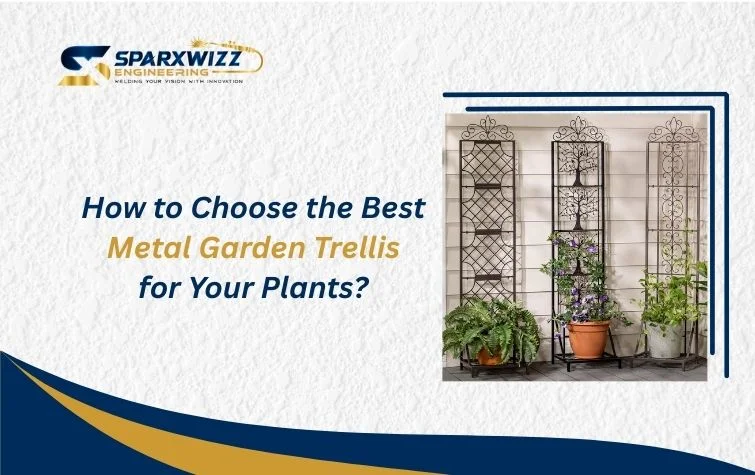
Creating an attractive and functional outdoor space takes more effort than planting some flowers. Learning What Is a Trellis, can not only increase garden beauty, but also improve garden functionality. What Is a Trellis? Simply put, it’s a garden structure that provides vertical support for climbing plants to grow on. Learning What Is a Trellis offers many advantages for homeowners. Trellises can provide vertical support for climbing plants to grow on, add visual interest to outdoor spaces and maximize use of available garden space. They also can add additional interest to a garden. What Is a Trellis is an important concept for homeowners to learn because it helps them in supporting various plants in the garden. Overall, What Is a Trellis helps arrange a garden better and improves the functionality and beauty of outdoor spaces, whether large or small.
Trellises are a common element in both residential and commercial gardens. Understanding What Is a Trellis allows homeowners to steer vine plants to grow vertically and use otherwise unused space. What Is a Trellis? It is a garden support structure that helps climbing plants to grow upward. Knowing What Is a Trellis is important for the city dweller who has very little space to work with. Unlike in previous times when most homeowners did not have a wide range of garden structure options, there are now a variety of trellises to choose from depending on the material, size, and the style of a particular home. With so many design options, there is a trellis for almost every taste and need in the market.
For outdoor structures metal trellis panels would provide strength and beauty to any design. They can be custom fabricated to suit the customers’ needs and desires by a metal fabrication shop like Sparx Wizz Engineering.
A trellis, by its nature, can provide a structure for plants to grow on. In this guide we will discuss what a trellis is, some different styles, suggestions for appropriate plants to climb trellises and how to choose the best trellis for your garden.
What Is a Trellis?
A trellis consists of a series of bars or wires, connected to form a structure, which can be used by plants for support as they climb or be trained to grow in a particular direction. The surfaces created by trellises are grid-like. Climbing plants use tendrils or other structures on the plant to grip the surface. Different plants have different preferences for the types of surfaces they use to grip to climb.
Most people think of a garden support structure when they ask “What is a Trellis?” Answering this question helps homeowners utilize outdoor structures to improve their gardens. Traditionally, trellises were made of bamboo or wood, but there are many more options available today including metal, steel, aluminum, plastic, and composites. Knowing What Is a Trellis gives consumers a basis for comparison when choosing a design. In more recent years, the uses of trellises have evolved to include decoration as well as screenings to establish privacy.
Trellises are able to be attached to fences or walls, but can be placed in a garden bed as well. Understanding What Is a Trellis also helps the consumer consider the variety of designs and the many factors that play into choosing the right design to effectively and attractively improve the garden. The right design will also depend on the available space and the user’s preferences. Knowing What Is a Trellis will also help the user locate the best design to effectively and appealingly accomplish their gardening goal.
What Does a Trellis Look Like?
Visual Appearance of a Trellis
What Is a Trellis encompasses the design and look of the structure. A trellis has an open frame with intersecting parts that can create patterns such as squares, rectangles and diamonds. Homeowners looking for a garden structure to add to their property can easily identify different styles based on these patterns.
These main elements create a trellis:
Vertical Supports: Define the shape of the trellis.
Horizontal Bars: Provide a surface for climbing plants.
Connecting Joints: Link the various elements of the trellis.
Mounting Elements: Attach the trellis to a wall, fence, post or other location.
Trellises vary in design and some include very ornate and or sleek curved patterns. The combination of a trellis’ design and the growing plants add charm and interest to the garden. Different designs may complement a variety of architectural styles.
Knowing What Is a Trellis enables homeowners to envision how this garden structure may enhance the landscape surrounding their house and give the garden a focal point. A wood trellis may complement a Victorian style house and an ornamental metal trellis may frame the entrance to a garden. Knowledge of What Is a Trellis can aid homeowners in visualizing how a variety of design elements would complement their house and garden.
Different Types of Trellises for Gardens
Knowing What Is a Trellis can aid homeowners in locating and comparing different types of trellis designs. Understanding What Is a Trellis also helps determine the most appropriate structure to use based on the plants being grown and the space in the garden. To successfully utilize a trellis, one must know What Is a Trellis? A number of different trellis designs exist, each with their own benefits. Once the concept of What Is a Trellis is understood, homeowners can refine their outdoor space to include attractive, functional and well organized elements.
1. Wall-Mounted Trellis
Learning about What Is a Trellis can help homeowners think about different ways to provide garden support, including wall-mounted designs. A wall-mounted trellis is installed along an exterior wall or fence. It provides a means for vines to climb and grow vertically and takes up less space in the garden. What Is a Trellis is important to consider when designing small gardens or when trying to create an illusion of more space in a garden with narrow pathways or patios.
Many different climbing plants including jasmine and clematis, and some roses, can be trained on this structure to add both fragrance and color to the garden. Vertical spaces such as exterior walls can also be improved using what is known as a trellis. Wall-mounted structures are useful when considering methods of vertical gardening. In addition, what is known as a trellis can serve an aesthetic function by adding various patterns, lines and textures to exterior walls.
2. Freestanding Trellis
Freestanding trellises are supported by their own frames and posts, and are not attached to walls. Trellises can be placed in many different areas including garden beds and other areas in the landscape.
Many homeowners use trellises to separate different garden areas and to create attractive displays of plants.
Trellises can also be used to shade different garden areas. Freestanding trellises are especially useful to cover larger garden areas.
So, when considering what is a trellis for a larger garden, freestanding designs are worth looking into.
3. Arbor Trellis
An arbor trellis consists of an arched framework that can define an entrance to a garden path.
Climbers like roses and flowering vines can be trained to grow along the frame to create a lovely entrance to a garden.
These can be found in garden and residential properties.
4. Obelisk Trellis
Learning What Is a Trellis allows homeowners to consider different design options including obelisk trellises. An obelisk trellis is a tall, skinny structure with a pyramid top. A typical design for obelisk trellises is a structure used to support climbing plants in flowerbeds and containers in a garden or vegetable patch. When learning What Is a Trellis homeowners can incorporate this design into their garden for its aesthetics and usefulness. Climbing plants will quickly enclose an obelisk, and obelisk trellises are particularly space saving. Because the structure is vertical, space saving, and offers support for climbing plants, it should be considered when learning What Is a Trellis. Obelisk trellises also make an excellent focal point for the garden.
5. Teepee Trellis
Understanding What Is a Trellis allows gardeners to see different methods of vegetable plant support. A teepee trellis is a cone-shaped structure made up of a few poles tied together at the top. This design is both functional and attractive. It allows a plant surface for climbing and adds to the appearance of a garden.
What Is a Trellis has many uses including support for peas and beans to climb. Like a regular teepee, this design can also be made to different sizes to fit different garden spaces. Knowledge of what a trellis is helps homeowners, especially when working with a small outdoor space. The teepee design is a perfect example of what a trellis is and is simple to construct.
A closer look at what a trellis is shows that, with adequate spacing and support, cucumbers can be grown along the structure as well. Gardeners can design and use what a trellis in multiple ways to keep their vegetable gardens organized.
6. Cattle Panel Trellis
A cattle panel trellis is constructed with livestock fencing panels to create a frame for climbing plants. These panels are usually installed either vertically or curved to form an arch over a pathway. Because of the open grid design, there are many points for climbing plants to attach to.
A cattle panel trellis can easily support vigorous vegetable garden climbers.
Because of their design, plant climbing potential and strength, these trellises are especially popular in vegetable gardens.
What Is a Trellis for Plants and Why Is It Important?
Most homeowners build or install trellises to encourage plants to grow vertically. Understanding What Is a Trellis for plants can help accomplish this. Also, it shows other ways to make a garden look nice while efficiently using space. Knowing What Is a Trellis can do a lot for plant organization and growth. Many plants naturally tend to grow upward and if provided with the appropriate surface to climb will do so. Trellises serve this function. Using What Is a Trellis also allows homeowners to grow different plants in a smaller garden area. Understanding What Is a Trellis further allows people to organize their plants so that their gardens look neat and well kept.
Trellises have several benefits which include:
- Allowing Vertical Plant Growth
Trellises encourage plants to grow up instead of spreading out. Climbing plants are known to quickly cover a large area and can restrict space for other plants to grow. With a trellis, plants are directed to grow up and in a more organized fashion. Climbing plants that utilize a trellis efficiently can increase the total yield and look more appealing compared to an unorganized garden.
- Increased Air Circulation
Plants which are clumped together tend to retain moisture, increase humidity and attract pests. Supporting plants up off the ground gives them better air circulation and can dry them out reducing pests and plant diseases.
- Likely reduces risk of fungal infection.
Plant health is also affected by spacing, watering practices, and environment.
- Increases Sunlight Exposure
Trellises position foliage in a better location to intercept the sun. The exact impact will vary based on the plant and the orientation of the garden.
- Improves Plant Management
Foliage trained to a structure is easier to manage, including to prune and inspect.
- Improves Plant Maintenance
Gardeners can manage the plant more easily since they are not obstructed by other foliage.
- Improves Aesthetic Appeal
An attractive trellis can improve the appearance of a garden wall.
Performing these functions aids in transforming what may otherwise be an unattractive corner of a landscape into a pleasant and decorative display.
What Is a Garden Trellis Used For?
A garden trellis provides support for plants to climb on, and adds structure to an outdoor space. There are many uses of a trellis, both practical and decorative. Known Uses of a Garden Trellis
Supporting Climbing Vegetables
Trellises are used to grow a variety of vegetables including:
- Cucumbers
- Green beans
- Peas
- Pole beans
- Varieties of squash
For easier access and a simpler harvest, vertical support is especially useful for growing vegetables that climb.
Flowering Vines
Trellises are commonly used to support flowering plants. Some examples include:
- Climbing roses
- Clematis
- Jasmine
- Morning glory
- Honeysuckle
- Wisteria
With care and knowledge of a plant’s climate and sunlight needs, trellises can be used to effectively support flowering vines.
Creating Garden Privacy
Trellises with sufficiently large and densely spaced foliage allow for partial visual privacy between different areas of a garden.
They can also be placed on the boundaries of a garden to provide privacy and greenery for adjacent patios and seating areas.
Decorating Outdoor Walls
Plain walls of homes and other structures can be enhanced with the addition of a decorative trellis.
Of recent interest to homeowners has been the use of geometric metal trellises.
Organizing Garden Areas
Trellises, when placed correctly, can organize and separate various areas of a garden including vegetable and flowerbeds.
They can also be used to define pathways. For a tidy finish at ground level, see our garden landscaping edging and our guide on how to choose the right garden edging border.
With adequate foliage, trellises also provide privacy screens.
What Is a Plant Trellis Made Of? Common Materials Explained
Material choice becomes very important when looking at what is a trellis. Each material comes with its own level of durability, maintenance, appearance, and flexibility with regards to installation.
1. Wooden Trellis
Wooden trellises have a natural look that works well with cottage gardens and other rustic and traditional areas.
Wooden structures are susceptible to dry rot and other issues caused by weather, insects and moisture. Treatment and maintenance to alleviate these issues would be ongoing.
2. Metal Trellis
Strength, beauty and design flexibility are attributes that make metal trellises ideal landscape elements. Understanding What Is a Trellis enables homeowners to integrate structures that enhance the beauty of outdoor spaces and provide practical support for climbing plants.
Many patterns and designs are available in a variety of sizes to incorporate attractive features into both residential and commercial landscape designs.
Advantages of metal trellises include:
- Great load carrying capacity
- Beautiful contemporary designs
- Flexibility to be made in a variety of sizes
- Complex designs
- Flexibility to adapt to many outdoor situations
- As with any exterior structure, to protect the metal frame from corrosion, finishes should be applied to the metal.
Thanks to metal fabrication, homeowners can now have metal trellises custom designed to specific needs for their gardens. Trellises can be designed to incorporate unusual shapes and configurations. Customizing these elements based on What Is a Trellis allows homeowners many options for creative use in the garden. These elements can stand up to the test of time.
3. Aluminum Trellis
Light weight and has a natural tendency to create a protective oxide layer. Aluminum is used in structures exposed to the elements because it is relatively lightweight and corrosion resistant. Modern designs and patterns can easily be formed with aluminum and used in building construction as framework or other designs.
4. Plastic Trellis
Plastic trellises are inexpensive and lightweight, making them convenient to use for temporary garden structures and to help support smaller climbing plants. Quality, construction and exposure to the elements will ultimately effect the performance of a trellis over time.
5. Composite Trellis
Composite materials are a combination of various materials to make a product with specific characteristics.
These materials may appeal to homeowners who wish to construct garden structures that look like traditional wooden ones but are not made of wood.
What Is a Trellis Compared to a Pergola?
Many homeowners confuse trellises with pergolas because both structures are used in outdoor spaces. However, their designs and primary purposes are different.
Understanding what is a trellis compared to a pergola can help you select the right structure.
| Feature | Trellis | Pergola |
| Primary purpose | Supporting climbing plants | Creating outdoor living spaces |
| Structure | Open grid framework | Posts with overhead beams or roof elements |
| Size | Generally smaller | Usually larger |
| Installation | Wall-mounted or freestanding | Freestanding or attached |
| Main application | Gardening and decoration | Patios, seating, and entertainment |
| Shade | Limited, depending on foliage | Partial shade depending on roof design |
When Should You Choose a Trellis?
Select a trellis if you wish to incorporate climbing plants into your garden, improve vertical gardening, or create a green wall for privacy.
If you prefer not to build a larger garden feature, like a pergola, a trellis is a good option for adding some height to your garden.
When Should You Choose a Pergola?
A pergola is a more appropriate choice to create a defined outdoor seating, dining or relaxing area.
It can serve as an architectural feature and may incorporate features as part of its design.
Both structures, when properly integrated into a landscape, may enhance each other’s function and beauty.
How to Choose the Right Trellis for Your Garden
Understanding trellis design is only the beginning. Long-term maintenance expectations and requirements of the plants grown in the garden also need to be taken into consideration when choosing a trellis design.
Here are some things to consider before installing a trellis.
1. Understand your plant’s support requirements
Lightweight flowering vines can be supported by simple frameworks. Heavier and more vigorous plants require stronger structures.
Look for something with a depth and strength to withstand the mature size and weight of the plant.
2. Consider the space available
Make sure to measure the dimensions of the space to determine what size trellis would work best. A freestanding trellis would work better in a larger garden.
Also factor in the space required by the mature plant.
3. Choose an appropriate material
Trellis designs come in a range of materials. The material should also withstand the weight of the plant it is supporting.
Consider weather exposure and look for materials appropriate for that exposure, as well as structural requirements and preferences for appearance and maintenance.
Metal structures that are properly finished can provide a low maintenance alternative to some other materials for long term, outdoor use.
4. Consider Design and Appearance
Trellis designs should complement both the architecture and the landscape in which they are placed.
Some lattice patterns may be more appropriate to different styles of architecture and gardening.
5. Check Structural Stability
A trellis should be able to safely and firmly support the types and extent of plant growth and environmental conditions it will be exposed to.
Review the quality of connections, posts and anchors to the ground.
6. Consider Future Maintenance
Account for the need for future cleaning and touch up paint and plant maintenance when designing the structure.
Take into account how easy or difficult it will be to maintain the structure throughout its useful life.
Installation Tips for a Garden Trellis
Appropriate installation can improve effectiveness and stability of the structure.
General suggestions include:
- Select the proper location: Find a suitable location with sufficient sunlight and enough space to allow the structure to grow.
- Prepare the installation surface: Check the wall, fence or ground to which the structure will be attached.
- Provide adequate spacing: Leave a space between the structure and the wall to allow for air circulation and plant growth.
- Use appropriate connections: Use suitable fixings and anchors.
- Provide guidance to young plants: Use soft plant ties to guide and train the plants. Ties should not be too tight.
- Check mounts and connections: Look for potential problems by checking mounts and connections.
- This will allow the trellis to be functional and more useful to the garden for a long time.
Why Are Metal Trellis Panels a Good Choice for Modern Gardens?
Metal trellis panels provide an appealing and strong design option for homeowners.
Unlike flimsy, temporary garden supports, well designed metal trellis panels can be fabricated to precise dimensions to suit a property’s landscaping needs.
Some advantages of metal trellis panels include:
Design Flexibilit
Different configurations can be designed into the metal frames.
Depending on the design, they can be coordinated to integrate with other features of the home, such as fences, gates and railings.
Structural Function
Supportive structures can be fabricated from metal sections to provide appropriate lateral support for climbing plants.
Durability
If metal frames are sufficiently thick and adequate lateral braces are incorporated, these structures can provide sufficient support for planting elements and other landscaping features.
Elevated exposure to the elements and varying weather conditions may require more robust metal frames and protective coatings to ensure longevity of the trellis.
Choice of Designs
Metal trellises lend themselves to a variety of architectural designs.
They can easily be incorporated with other elements of a home including fences, gates and railings.
Contemporary designs can easily incorporate clean lines and interesting geometrics.
These structures can be used on walls, garden edges, patios and freestanding locations.
Considering the nature of the structures metal fabrication can be difficult to engineer at a distance Sparx Wizz Engineering specializes in metal fabrication and outdoor metal products.
Common Mistakes When Choosing a Trellis
EVEN a well designed structure can perform poorly if wrongly chosen and installed. These include:
Using an undersized structure: A smaller framework will not be able to support larger plant growth. Using inferior quality materials: These may quickly deteriorate when exposed to the elements.
Inadequate mounting: This can also affect the stability of the structure.
Selecting an unsuitable site: Insufficient sunlight and bad growing conditions will affect growth of the supported plant.
Failure to perform maintenance: This can lead to failure of the structure and increase the risk of failure of connected components.
Overcrowding: This can result in excess shading and obstruction to air and light flow thus making plant management difficult.
With a little foresight homeowners will be able to choose an appropriate structure that will also satisfy their design and aesthetic needs.
Conclusion
A trellis is more than just a garden support. Combining plant support and decorative design, trellises can enhance residential and commercial properties, gardens, and patios. For homeowners, knowing what a trellis is helps them identify which materials and designs would best suit their needs, and how to go about installing them.
From conventional wooden designs to more modern metal panels, several types of trellises are available to choose from based on particular garden needs. Compared to other support structures, metal trellises offer strength, flexibility and the potential for higher levels of design customization. When treated to resist corrosion and durably installed, metal trellises can add value to an outdoor landscape.
Sparx Wizz Engineering has expertise in the design and fabrication of outdoor metal structures and can help clients with installation as well. Explore our garden trellis range, browse finished work in our gallery, or contact us for a custom quote. With knowledge of outdoor metal structures and various design elements, homeowners can achieve a more organized and attractive garden.
Frequently Asked Questions (FAQs)
1. What is a trellis used for?
Trellises are used to create vertical spaces for climbing plants and to enhance the decoration of the outdoor environment. They also help to define different areas of the garden. Covering a trellis with climbing plants provides privacy.
2. What is a trellis for plants?
Plants that tend to sprawl and need support to climb should be grown using a trellis. This gardening aid helps to organize and manage climbing plants, which would, without it, be difficult to control.
3. What does a garden trellis look like?
A garden trellis has a structure of horizontal and vertical elements that creates an open lattice design. It can be geometric, decorative, or have a shape like an arch.
4. What is the best material for a garden trellis?
The best material depends on the application, budget, and weather conditions. Metal offers strength and design flexibility, wood provides a natural appearance, and aluminum is a lightweight option.
5. Which plants grow best on a trellis?
Climbing roses, jasmine, clematis, cucumbers, beans, peas, and morning glory are popular choices. The best option depends on the climate, available sunlight, and the support capacity of the structure.
6. What is a cattle panel trellis?
A cattle panel trellis is a climbing support structure made using strong livestock fencing panels. It is commonly used in vegetable gardens to support cucumbers, beans, and other climbing crops.
7. What is the difference between a trellis and a pergola?
A trellis is primarily designed to support climbing plants and provide vertical garden decoration. A pergola is a larger outdoor structure designed to create a defined seating or entertainment area, often with partial overhead shade.
8. What is a trellis in Stardew Valley?
In Stardew Valley, a trellis is a type of crop support that climbing crops grow on. Unlike ordinary garden structures, trellis crops restrict the player’s movement through their growing tiles in the game.