
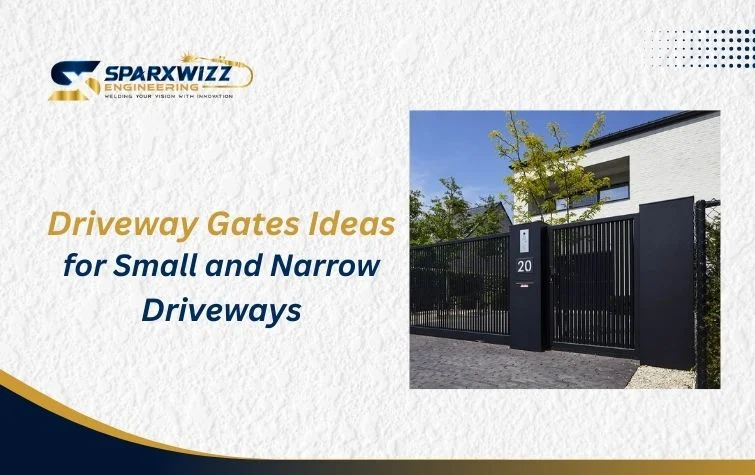
A driveway gate is an entrance to your property. Lightweight Gates for Driveways improve property security and enhance your driveway’s aesthetics. Whether you have a modern independent house, a traditional bungalow, an urban farmhouse, or any other type of house, Lightweight Gates for Driveways complement your house and improve your property’s functionality. Many homeowners have recently shown interest in Lightweight Gates for Driveways. One of the major reasons for the interest is that, compared to other materials, lightweight materials are easier to operate. Other reasons include the fact that, with modern materials such as steel and aluminum, designers are able to come up with better, easier to operate structures and enhance aesthetics.
Strong supporting structures have been associated with heavy materials. With modern Lightweight Gates for Driveways, aluminum and steel materials are able to maintain the structures. In addition to Operation, aluminum and steel also provide a wide variety of choices in terms of styles, finishes and sizes. Therefore, homeowners are able to improve the aesthetics of their property and explore different designs while still having a peace of mind knowing that essential requirements are still maintained.
Consider several factors before selecting Lightweight Gates for Driveways, including your driveway width, the level of security you need, how much space you have, and the style of your home. Different Lightweight Gates for Driveways options are available, including sliding gates, swing gates and automated entrance systems. Comparing these designs will help you select the best option for your home.
This guide will review various materials used in the production of Lightweight Gates for Driveways, popular gate designs, their benefits and important installation considerations. You will learn how to effectively select, maintain and plan Lightweight Gates for Driveways in a way that achieves a secured, functional and pleasant entrance to your home.
1. What Are Lightweight Gates for Driveways?
Lightweight Gates for Driveways offer security through restricted access and ease of use, all while maintaining a lightweight construction. Lightweight Gates for Driveways can be manufactured from steel, aluminum or various other metals to give a balanced combination of strength, durability and aesthetics.
In comparison to bulky entrance structures, Lightweight Gates for Driveways focus on constructing efficient frames, using the right thickness of material to balance practicality and weight. The overall weight will also depend on the gate dimensions, the material used, thickness of the panels, decorative elements, and the type of opening mechanism. It is true that an appropriately designed Lightweight Gates for Driveways system will certainly provide the right entrance to a modern home, without structural bulk.
For residential properties, Lightweight Gates for Driveways can certainly fulfill the needs of a homeowner who wants to control and secure their entrance, while having a modern, less bulky structure. Appropriate and well-thought designs of Lightweight Gates for Driveways can enhance and complement the overall architectural design of independent, villa and contemporary homes.
Some common characteristics of Lightweight Gates for Driveways are:
- Functional construction: Balancing strength and weight is accomplished through construction of the frame and panels.
- Design: Horizontal and vertical panels provide a modern look, and geometric and minimalistic designs are also offered.
- Options: These gates are available as sliding and swinging gates or in automated configurations.
- Decisions: There are various color choices as well as pattern, size and surface finish options.
- Efficient use of space: Some opening mechanisms provide for more effective use of driveway space.
While there are many options available when purchasing Lightweight Gates for Driveways, a key consideration is that “lightweight” should not mean “weak.” When selecting these types of gates, homeowners should evaluate the elements that affect wind load, the requirements for security and the material, and the expected frequency and method of use. Engineered and designed properly, with a knowledgeable and experienced professional installer, these gates will serve homeowners well for many years.
2. Popular Materials Used for Modern Driveway Gates
Choosing the right materials for your driveway entrance is important because the materials have different advantages in regards to strength, looks, and weather resistance.
A. Steel Gates
Steel is one of the most widely used construction materials for residential buildings. With impressive strength and durability, steel can be used for making Lightweight Gates for Driveways. Lightweight Gates for Driveways made out of steel provide strength, design flexibility and operability. These gates provide homeowners ample opportunity to express their choices in decorative finishes and patterns, without compromising on the construction requirements.
There are many creative designs in Lightweight Gates for Driveways. Some designs incorporate horizontal and vertical slats, patterns and decorative bars. These designs offer homeowners the opportunity to select an entrance that complements their property.
Lightweight Gates for Driveways complement independent houses and villas. Depending on the layout of the entrance and available space, these gates can be designed to swing or slide. Automatic operation can also be incorporated if needed, with the use of compatible motor and safety systems.
There are many considerations when choosing Lightweight Gates for Driveways, including welding, material and frame thickness, and protective coatings. Proper selection of Lightweight Gates for Driveways improves durability and performance. Professional installation and proper material selection also improve the long-term reliability of the gate structure.
Prior to finalizing Lightweight Gates for Driveways, compare different models to assess differences in design, dimensions, opening and closing mechanism, automation (if any), maintenance requirements and costs. The selected gate should integrate functionally and aesthetically with the property.
B. Aluminium Gates
Aluminium is lightweight, corrosion-resistant and finds wide use in the construction industry. For homeowners considering an upgrade to their property’s entryway, Aluminium Gates for Driveways is an option worth considering. Aluminium is corrosion resistant and, hence, an ideal material for gates in humid environments.
Gates for Driveways can be manufactured in a number of styles using aluminium, including horizontal slats, contemporary and minimalist panel designs and geometric patterns. These styles complement modern buildings, walls and front railings.
Aluminium-based Lightweight Gates for Driveways can easily be fitted with an automation system. When combined with an appropriately designed frame, motor and track mechanism, homeowners can opt for hands-free opening and closing. The overall system, however, has to be engineered as a whole to function optimally.
Steel and aluminium Lightweight Gates for Driveways have their unique advantages and disadvantages. Steel, for example, has better structural strength, and aluminium is naturally corrosion-resistant. Cost, environmental conditions and anticipated use also play a role in homeowners’ final decisions.
The layout of a property’s entrance, long-term maintenance expectations and needs for security and design, ultimately, inform homeowners’ decisions on which Lightweight Gates for Driveways to choose.
C. Wrought Iron and Decorative Metal Gates
Wrought iron gates have a traditional, decorative style that is often used on villas, homes with heritage-inspired designs, and other styles of construction with elaborate, exterior architectural details.
Decorative metal gates can add an impressive design element to an entrance, but the weight of the gate can add significantly more to the load of the gate assembly. Homeowners should carefully evaluate the complete gate assembly before selecting this design element.
3. Different Driveway Gate Designs for Modern Homes
Architecture of your entrance should relate to the architecture of your property, and provide convenient access. Browse our project gallery for real examples of installed gates.
A. Sliding Driveway Gates
Sliding gates move horizontally. Therefore, a sliding gate is a good choice if there is not enough clearance for a driveway gate to open inwards or outwards.
Homeowners looking to save space with a sliding gate design can consider this option because the sliding gate does not require as much clearance as a hinged gate. To see the full comparison,read why sliding gates are better than traditional gates for homes.
The alignment of the track, supporting posts and the drainage around the track need to be considered for installation.
B. Swing Driveway Gates
Swing gates are a beautiful and practical choice for home entrances. Lightweight Gates for Driveways can be designed with hinges that attach to supporting posts and open either in or out. These are available as single or double leaf gates and can be designed to suit various driveway configurations.
A double-leaf gate configuration provides an attractive and more stately entrance for an independent house or villa. Likewise, the choice of frame material and infill types can also impact the appearance of the gate.
An added advantage of a correctly designed Lightweight Gates for Driveways is the flexibility it provides in adaptation to different architectural styles of residential entrances. Should space and other constraints allow, swing gates can be operated manually or automatically.
As a general rule, a Lightweight Gate for Driveways should be designed to open clear of any parked vehicles, pedestrians or any obstructions. The hinges and supporting posts must be anchored to the ground to ensure safe and smooth operation.
Choosing appropriate Lightweight Gates for Driveways can facilitate the use of your property whilst enhancing the appearance and security of your property.
C. Horizontal Slat Gates
Horizontal slat designs are common in contemporary residential architecture. They provide a clean, consistent appearance and can be adjusted to include various spacing and panel arrangements.
Closer spacing of the slats improves the screen’s ability to provide visual screening and offer greater privacy. Farther spacing improves airflow and decreases the screen’s ability to block views.
The spacing of the slats determines the balance between visibility and privacy.
D. Vertical Bar Gates
Vertical bar gates are simple and timeless in design. They work well with various styles of residential architecture from traditional to modern.
Homeowners can also customize vertical bar gates to an extent by choosing different spacing of the bars, dimensions of the frame and artistic details.
E. Geometric Pattern Gates
Geometric gates have a decorative, angular design using repeating patterns and metal panels.
These gates are especially attractive to homeowners who want an attention grabbing feature to their property. However, the patterns used in geometric gates should be balanced by the need for a well-designed structure and ease of maintenance.
4. Benefits of Choosing Lightweight Gates for Driveways
An appropriate gate can improve convenience and function on a property.
1. Easier Everyday Operation
Heavier gates require more effort to open and close. An intelligently engineered lightweight structure can facilitate operation without requiring any additional aid.
The gate can also incorporate automated access control, when linked to a proper access control system, through a choice of operating mechanisms such as remote control, keypad or others.
2. Modern Exterior Appearance
One of the first architectural elements visitors will notice is the entrance. Light weight gates for driveways are available in modern designs and can complement contemporary houses, villas and independent properties.
Home owners can opt for colors, textures and patterns that are in harmony with the exterior walls, boundary structures and finish materials.
3. Better Use of Available Space
A good sliding gate arrangement reduces clearance required for gate operation. This is useful where space is restricted such as with narrow entrances, walls, and restricted parking space.
4. Flexible Design Options
Modern techniques of fabrication allow the manufacturers to customize various dimensions, structures and finishes of gates. Because of such flexibility, a wider choice is available to the consumer to match the gate design to the dimensions of the space available as well as to the architectural style of the building.
5. Compatibility with Automation
Most modern gates support automatic operation systems. However, proper balancing of the motor capacity, gate weight, resistance to movement and safety features is required.
6. Maintenance Planning
The type of materials and protective coating used as well as the quality of installation affect the service life of the gate. Environmental exposure may speed up deterioration. Regular cleaning and timely inspection will keep the gate presentable and operational.
5. Small Driveway Gate Ideas for Compact Residential Spaces
Not all houses have a wide entrance or a large driveway. In urban areas, homeowners often need a gate that fits within a restricted boundary layout.
When looking for ideas for small driveway gates, consider the following practical ideas:
- Single sliding panel: This works well only if there is sufficient side clearance.
- Minimalist vertical bars: This creates an easy entrance with simple detailing and reduced decorations.
- Horizontal metal slats: This gives an up to date look and can be modified for privacy.
- Compact swing gate: A single-leaf swing gate may work for a narrow opening if there is sufficient clearance.
- Combination panels: This can help achieve a well-balanced design with selection of solid panels in an exterior elevation.
Consider the turning radius of vehicles, and the location of neighboring walls and pedestrian access when selecting a design. Measure the entrance width and movement area. For more layouts, read our guide to driveway gate ideas for small and narrow driveways.
6. Sliding Automatic Driveway Gates: How Do They Work?
For modern homeowners, automation has provided even more convenience by allowing them to control access to their driveways using sliding systems. These systems use electric motors and an appropriate movement mechanism to open or close a gate horizontally.
Sliding automatic driveway gates usually include a gate panel, guide rollers or a cantilever mechanism, motor and control unit and safety accessories.
These systems offer the ability to use different access methods based on the equipment chosen.
Important Components
Electric motor: Used to provide the necessary power to move the gate.
Track or cantilever mechanism:Guides the movement of the gate panel.
Control system:Manages opening and closing commands.
Remote access: Allows users to operate the gate from a distance.
Safety sensors: Detection of obstacles and avoid contact with persons or objects.
When selecting an automatic sliding gate for a driveway, the motor must be chosen in accordance with the weight, dimensions and expected use of the gate as well as site conditions. The gate should always be installed by a professional to ensure it operates reliably.
7. Electric Sliding Driveway Gates: Features and Considerations
Electric sliding systems allow for the automatic opening and closing of gates. Homeowners can benefit from an electric sliding system if they frequently leave and return to their property. Additionally, an electric sliding system can be an easy-to-use access control system.
When cWhen thinking about an electric sliding driveway gate system, consider the following:
Motor Capacity: Is the motor strong enough to support the actual weight and size of the gate?
Power Supply: Is a power source in a convenient location to provide the system with power?
Manual Release: Is an emergency manual release provided for power failures?
Safety features: The use of photo cells, or other obstruction detection and control systems can decrease the possibility of an accident.
Protection of electrical components: Are the electrical components dust and moisture protected?
Installation: Is the system aligned properly?
Automation of gates should be planned for at the time the gate structure is designed, so that the gate frame, supporting posts and the operating mechanism is compatible.
8. Railing Design for House Front Iron Gates
The driveway gate and front boundary railing should follow a similar design language. A consistent design creates a more organized appearance and makes the entrance more complete.
Vertical and horizontal elements can be used to create a design for iron front railings. Other types of designs may include geometric patterns and decorative metal works.
Some of the popular design approaches include:
1. Vertical iron railings: These railings partner well with traditional, simple metal entrance gates.
2. Horizontal railing patterns: These patterns complement contemporary, straight line architectural houses.
3. Geometric iron railings: Repeating geometric shapes can help create an appealing, distinctive exterior.
4. Minimalist metal railings: These help create a clutter-free entrance.
5. Decorative iron railings: These are well suited for traditional villas and bungalows.
Railings come in different heights and structural stability. Safety requirements and spacing also should be considered. For a more unified look, consider having the gate and railing finish in the same color. See how iron fence panels are used in homes, parks and factories.
9. How to Choose the Right Gate for Your Property
When selecting Lightweight Gates for Driveways, consider your property’s layout, entrance requirements, and everyday usage. The right gate system should complement your property’s design while providing convenient access, security, and long-term durability. Before choosing Lightweight Gates for Driveways, evaluate how frequently the entrance will be used and how much maintenance the gate will require over time.
Here are some important factors to consider when choosing Lightweight Gates for Driveways:
-
Property Layout: Choose a gate design that suits your driveway space and entrance dimensions.
-
Daily Usage: Consider how often the gate will open and close.
-
Maintenance: Select materials that require minimal upkeep.
-
Security: Ensure the gate provides suitable access control and protection.
-
Durability: Look for weather-resistant materials that offer long-term performance.
Considering these factors will help you select Lightweight Gates for Driveways that balance functionality, appearance, security, and maintenance requirements.
A. Measure the Entrance Correctly
First, determine your clear driveway opening, boundary wall height and the available side clearance. You must allow for the space needed by vehicles to enter and turn.
Incorrect measurements can make the installation more difficult and cause restrictions on movement for vehicles.
B. Understand Your Security Requirements
When selecting Lightweight Gates for Driveways, homeowners should consider the level of security and access control required for their property. The gate should have a strong and durable frame, reliable locking arrangements, properly spaced panels, and high-quality hardware. These features help improve safety while maintaining the functionality and appearance of Lightweight Gates for Driveways.
For additional protection, homeowners can choose Lightweight Gates for Driveways that are compatible with modern access control systems, such as automatic locks, keypads, intercoms, and remote-controlled entry systems. Choosing the right security features ensures that Lightweight Gates for Driveways provide convenient access while helping protect the property from unauthorised entry.
C. Select the Appropriate Material
When choosing materials for Lightweight Gates for Driveways, it is important to understand the differences between steel and aluminium. Steel is strong, durable, and available in different flexibility levels, making it suitable for various gate designs. However, steel can rust when exposed to moisture and changing weather conditions. Aluminium is lighter in weight because of its lower density and offers natural corrosion resistance, making it a popular choice for Lightweight Gates for Driveways.
Structurally, aluminium can perform comparably to steel in many applications, although the overall strength and structural integrity depend on the design, thickness, and construction quality. For Lightweight Gates for Driveways, aluminium offers the advantage of easier handling, reduced weight, and excellent resistance to corrosion. Steel may be more suitable when higher strength is required, while aluminium is ideal for homeowners looking for lightweight and low-maintenance solutions. The final choice depends on factors such as the surrounding environment, design requirements, durability, and budget. Although aluminium may cost more initially, its corrosion resistance can make it a worthwhile investment for Lightweight Gates for Driveways.
D. Check the Opening Mechanism
An entrance with adequate clearance may be able to use a sliding system. A swing system could work if there is enough opening space on the driveway.
The opening mechanism should be selected based upon how the actual space is laid out rather than appearance.
E. Consider Weather Conditions
Different regions of India have different climatic conditions. The coastal regions may need protection from corrosion, and dusty areas may need more cleaning of tracks and moving components.
F. Compare Installation and Maintenance Costs
The total cost for the project will be more than the gate panel. Other costs may include fabrication, supporting posts, tracks, hinges, protective coatings, automation and installation costs.
To get an idea of the total costs for the project, request a detailed quote.
10. Understanding Gate Installation for Residential and PEB Structures
A PEB structure, or pre-engineered building, is one fabricated using pre-designed and prefabricated elements. These structures are used to construct a variety of buildings including, industrial and commercial buildings, workshops and warehouses.
While designing lightweight gates for driveways around a peb structure, the gates should be designed considering the overall layout of the building and movement requirements of the vehicles.
The important considerations include:
Structural compatibility: Gate-supporting posts must have appropriate bases and not affect the main building structure.
Vehicle movement: The gate opening must allow vehicles to move in and out of the building and turn in the required direction.
Opening clearance: Sliding or swinging gates must have sufficient opening and clearance, and not obstruct walls, columns or operational areas.
Security: Depending on the situation, gates should be provided with a locking arrangement and access control system.
Material protection: Coatings can be used to protect metal components from environmental conditions.
Due to differences in usage, residential driveway gates and industrial access gates are designed differently. Accordingly, the dimensions and details of fabrication of gates and supporting elements should be assessed individually for each case.
11. Installation Process: What Should Homeowners Expect?
An installation plan can help optimize the performance and service life of the entrance system.
The general installation process includes:
Step 1: Site Inspection
An installer will examine the entryways, boundary walls, ground levels, clearances and access for the potential project.
Step 2: Design Selection
The homeowner will select design elements such as material, opening mechanism, and style of gate. The homeowner will also select the size of the gate.
Step 3: Materials and Fabrication
The fabricator creates the frame and panels based on the design selected by the homeowner and the required specifications. The fabricator should check the quality of the steel used, joints, and other components.
Step 4: Foundation and Support
Foundation and supports are created based on the design of the gate and the project site.
Step 5: Gate Installation
The panel is installed. A sliding system requires that the track be aligned properly and a swing gate requires that hinges be installed properly.
Step 6: Final Inspection and Testing
The installer will test and check the gate for locking, clearances, movement, and other safety features, and check that automated systems work as designed and as expected.
12. Maintenance Tips to Keep Your Driveway Gate in Good Condition
Even the best designed automatic entrances require routine maintenance. The level of maintenance required on automatic entrances is relative to the material used, the finish, and the quality of the installation.
These suggestions should be included in any preventative maintenance schedule:
- Keep the surface clean: Use the proper methods to clean dirt and mud from the surface.
- Inspect protective coatings: Look for peeling paint, scratches, and signs of corrosion.
- Inspect hinges and rollers: Make sure all parts that allow the door to move easily, do move easily.
- Inspect sliding tracks: Make sure the track is clear of obstructions.
- Have electrical components maintained: Have an electric motor, wiring, and sensors checked by a professional.
- Inspect fasteners and joints: Look for corrosion on fasteners and check welded joints.
- Avoid using excessive force: Do not use excessive force when operating an automatic gate.
Use protective coatings to maintain steel structures and touch up any damage as soon as it occurs to prevent corrosion.
13. Common Mistakes to Avoid When Selecting Driveway Gates
When homeowners choose a gate, they often concentrate on the appearance of the gate and neglect important functions.
Don’t make these common mistakes when selecting lightweight gates for your driveway:
- Picking a gate without measuring the overall dimensions of the driveway entrance.
- Ignoring the space required for sliding or swing movement.
- Picking an inadequate gate motor.
- Neglecting the quality of the welding and fabrication.
- Choosing a gate without adequate anti-corrosion protection.
- Ignoring drainage for sliding tracks.
- Picking a gate design that obstructs vision and creates a security risk.
- Using heavy gates with obstructive panels on unsupported posts.
- Failing to plan for maintenance and emergency access.
A well designed gate gives a good balance of appearance, strength, safety, and convenience.
14. Why Steel Is a Practical Choice for Modern Driveway Entrances
Steel remains a valuable material in residential construction as it lends itself to different shapes and configurations. It is used in gates, railings and various other architectural features.
For homeowners considering lightweight driveway gates, steel can be a good choice if the frame and panel construction is engineered appropriately. In that case, steel has design flexibility.
Among other things, steel gates can be designed with:
- Horizontal and vertical metal sections.
- Geometric patterns.
- Decorative metal panels.
- Various surface finishes.
- Different types of sliding or swinging mechanisms.
- Coatings to protect the steel from the elements.
Because of the many design options, the final selection of a particular configuration of a steel gate is dependent on the application, the specifications of the material and the conditions under which it will be installed. Our guide to affordable steel gate design for homes covers budget-friendly options.
Tata Steel Aashiyana is a platform where homeowners can research construction materials and services. It also has a gate selection guide where it discusses the various types of gates and the preferences of different regions of India.
15. Final Checklist Before Buying a Driveway Gate
Take the following into consideration before finalizing your purchase.
- Have you measured the opening of your driveway?
- Have you selected the right material for your gates?
- Have you considered how your gates will reflect your house?
- Are there clearances for the desired opening mechanism?
- Are the frame and supporting posts adequate?
- Will the gates corrode easily in your climate?
- Is the automation equipment adequate?
- Were you given the requirements for the installation and maintenance?
- Were you given a thorough estimate?
- Were the installation sites inspected by a professional?
If you do this, you’ll be more likely to find a driveway entrance that meets your needs.
Conclusion
Planning the perfect driveway entrance is an important aspect of creating a secure, functional and attractive home exterior. Everything from material selection to opening mechanisms, design and maintenance play an important role in final performance of a gate.
Homeowners are presented with a variety of options while selecting lightweight gates for their driveways, such as contemporary steel frames and aluminium panels, as well as decorative metalwork and automated sliding systems. The choice always depends on expectations from the gate, e.g. security, the design of the house, the condition of the surrounding environment etc.
Prioritizing these requirements during the selection and installation process helps homeowners create a gate that supplements their property while providing ease of access and security. To make an informed choice regarding home building, consider the various materials, designs and professional installation options through Tata Steel Aashiyana. Explore our full range of gates, fencing and fabrication products.
Frequently Asked Questions (FAQs)
1. What are the benefits of lightweight gates for driveways?
Lightweight driveway gates look good, are easy to use and have flexible design options. Some models can integrate with automated or sliding open systems.
2. Which material is best for a lightweight driveway gate?
Both steel and aluminum have their benefits. Structural strength and design flexibility are some benefits of steel. Aluminum is naturally corrosion-resistant and relatively lightweight. Knowing your property requirements and the environmental conditions in mind will help choose the best option.
3. Are space saving driveway gates suitable for small houses?
Yes. Sliding gates can be useful for smaller properties as they move horizontally, unlike swing gates, which require clearance to swing in or out. However, side space must be sufficient for the sliding gate to move.
4. What are some popular small driveway gate ideas?
Options include sliding panels, metal slats, bars, frames and geometric designs. The best option will depend on your driveway dimensions and the design of your home.
5. How do sliding automatic driveway gates work?
Horizontal sliding gates use electric motors to move the gate panel horizontally. These gates can be operated using remote controls and/or access-control systems.
6. Are electric sliding driveway gates safe?
Proper installation allows for more convenient access and better control. However, photoelectric cells, obstruction detectors, release mechanisms and a controls system are also essential.
7. How can I match a driveway gate with my house’s front railing?
Be consistent with choices of materials, colors, patterns and finishes in both constructions. Horizontal or vertical railing designs for house front iron structures can be repeated for driveway iron entrance designs.
8. Can lightweight gates for driveways be installed around PEB structures?
Yes. Lightweight gates for driveways can be constructed around PEB structures. The supporting foundations, gate dimensions, vehicle clearance, and structural compatibility have to be evaluated by qualified professionals.